

We grow NOI by fixing operations, not by betting on the market.
Our thesis is specific on purpose. We buy mismanaged 30 to 100 unit workforce housing in Pierce and Snohomish Counties, where renters cannot afford to buy, and we grow net operating income by fixing operations, not by betting on the market.
Two core counties, chosen on purpose
Snohomish County. We focus on Lynnwood, Edmonds, and Everett, along the I-5 job corridor north of Seattle.
Pierce County. We focus on Tacoma and Lakewood, anchored by Joint Base Lewis-McChord and other fixed regional employers.
What we exclude. We do not buy in Seattle or King County proper. Basis is higher, there are more bidders, and the local rules are tighter.
We also hold some seasoned legacy assets in Eastern Washington. That is not the core buy box for new acquisitions.
We like a favorable basis, more workable landlord rules than Seattle, and the long-term presence of Link light rail in both counties. We do not underwrite deals on the hope of a rail-driven bump.
A repeatable target, not a wide net
Size: 30 to 100 units, below the scale where institutional bidders cluster.
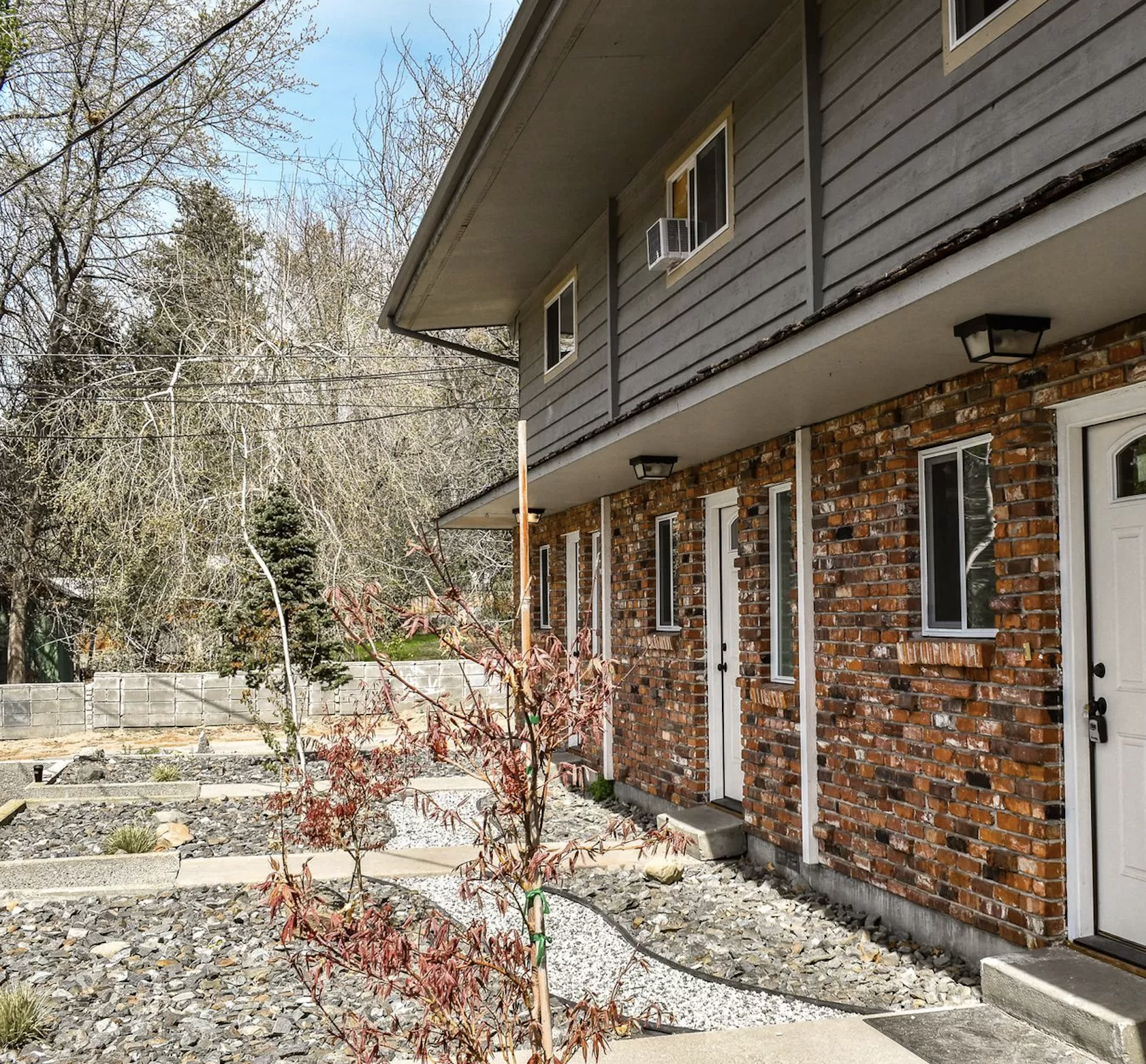
Vintage: 1960s to 1990s, Class B and C, bought well below replacement cost so new supply is less able to undercut in-place rents.
Residents: Workforce renters, generally around area median income.
Sellers: Long-time owner-managers who are tired, unseasoned, or simply over their heads.
The opportunity: Below-market rents, under-managed expenses, and dated units that can be improved through operations.
We buy operational distress, not economic distress. We want solid buildings in strong markets that have been run loosely. We avoid assets that are struggling because the location itself is weak. We do not do hotel or motel conversions, and we do not buy in markets with falling demand.
We outsource the labor and keep every decision that moves NOI
A regional third-party manager handles rent collection, resident communication, routine maintenance, vendor dispatch, showings, and on-site presence. Veritas keeps the decisions that drive value: capital projects and scope, unit-turn and renovation specs, lease renewals and rent setting, evictions and collections policy, budgets, vendor bidding, and the monthly review.
We do not carry a large on-site team at each 30 to 100 unit community. Management cost is loaded into the underwriting as a known percentage of revenue before we buy. The point is to add a deal, not a department.
Conservative capital, and no market bets
We look for positive leverage on day one, so going-in yield on current operations is meant to sit above our fixed borrowing rate. Year-one income is anchored to trailing financials, not to a broker pro forma. We do not need cap-rate compression, rate cuts, or a rent spike for a deal to work in our underwriting.
We use long-term fixed-rate agency or bank debt. We do not use bridge or floating-rate loans. Renovation budgets are funded with equity at closing, not borrowed later.
Housing that should have been run this way all along
We own the housing Washington's workforce actually rents, and we run it with care. That is a tangible, long-term way to be part of the region's fabric. It can also be a straightforward way for a family or a careful investor to work with a local operating partner, rather than with a distant fund.
If this thesis sounds like the kind of work you want to be part of, book a Discovery Call and we will go through it in detail.
This website is for informational purposes only. It is not an offer to sell, or a solicitation of an offer to buy, securities. Any offering is made only through official offering documents, and only to investors who meet the requirements of that offering. Past performance does not guarantee future results. Investing in real estate involves risk, including the possible loss of capital.